
Moment Zero
You’re not deciding.You’re confirming.
You did the postmortem.You found the mistake.And somehow, you made it again.
The problem isn't speed. It isn't judgment. It's that the decision was already forming before you knew you were making one, and nobody ever taught you to notice.See when awareness enters your decisions with the Moment Zero Diagnostic.
A DIFFERENT LENS ON DECISION-MAKING
Everything else analyzes post-decision. This works before.
Most frameworks build a better process for next time: a postmortem of what went wrong, not what's happening right now, in real time, as your brain decides what to focus on and shapes the choice before you're aware you're making one.That's the part postmortems don't reach. It's already over by the time you're looking back.This works in the moment. Before the choice feels like a choice.
Does this sound familiar?
You swore you'd never do it again. Then you did it again, and you can't fully explain why.
Everyone told you it looked right. The signs were there the whole time.
Different job, different relationship, different deal. Same ending.
These aren't failures of judgment.They're what happens when the feeling behind the decision never gets examined, so it never stops running the show.
Meet Kim
I'm Kim Korte
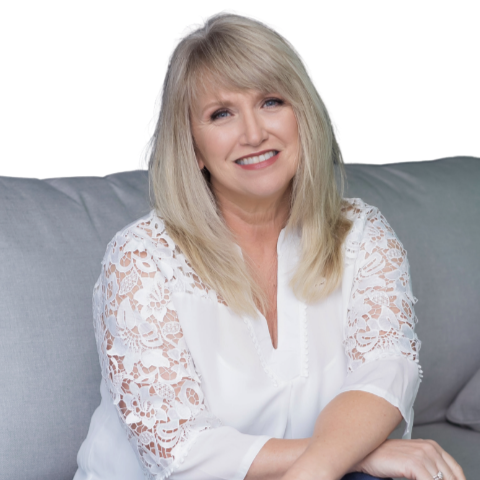
Founder · Decision Strategist · Creator of The Decision System Framework · Author
In 2011, I wrote a book about creating love/life balance. I wrote it while I was inside the problem—coming out of a marriage I ran into because my emotions felt like truth. They weren’t. They were constructed by fear, and I had no idea.The cost wasn’t just emotional. I lost two businesses I helped build from scratch in that divorce.A few years later, I walked away from a co-founder opportunity because every piece of evidence I could see said I shouldn't. There was just as much evidence saying I should. I couldn’t see it. My insecurity focused my attention on the data I used to make my decision.I spent years thinking the problem was my choices. It wasn’t. Something was deciding what I could see before I ever got to choose.Then I learned that’s not a character flaw. That’s how the brain works. It constructs an emotional experience and runs it through your body before you’re consciously aware of a decision forming. You think you’re being rational. You’re being filtered.I wrote a second book in 2024 to explain the mechanism. Then I built Moment Zero—because what I actually needed, back when I was standing in both of those situations, wasn’t better logic.I needed to catch the moment before the decision formed. The moment when you can still see what’s running it.That’s Moment Zero. And that’s what I teach.
Moment Zero
There's a moment before the decision. You've never been taught to notice it.
Your brain is a prediction machine. Everything you see, hear, and smell—every experience is a prediction of the brain. That includes decisions.Before you're aware you're deciding anything, it's already run an analysis, matched the situation against everything you've experienced before, and landed on its best guess as to what to do. That answer arrives as a signal, before language, before conscious thought. That's Moment Zero—the instant the prediction locks in, before you know a decision is even happening.By the time you're weighing pros and cons, you're usually not deciding. You're justifying something that already got decided.
The Decision System
Make the pattern visible, before it costs you again.
The Decision System is a framework rooted in the neuroscience of how the brain actually constructs experience, drawing on the work of Lisa Feldman Barrett, Antonio Damasio, Anil Seth, and others on how internal signals shape judgment before conscious thought begins.It doesn't tell you what to decide. It shows you what's already deciding for you.This isn't therapy or mindset work. It isn't positive thinking. It's a way of seeing the decision before the decision, so choice changes at the source, not after the fact.
The Decision System is how you learn to notice it.
The Five Stages of The Decision System
Every decision gets cooked before you taste it.
The Decision System moves through five stages, each one mapping a part of the process your brain runs before a decision reaches conscious awareness — what goes in, how it gets filtered, what signals you can actually distinguish, and how much you can hold before the brain starts dropping detail. The framework comes from my book, Yucky Yummy Savory Sweet: Understanding the Flavors of Emotions, where I made the case that emotions are constructed the same way a dish is built. The kitchen language isn’t a metaphor. It’s the clearest way to feel what’s happening, not just understand it.The Cohort covers all five stages in depth.
The Moment Zero Diagnostic
See when awareness enters your decisions.
Free.
25 questions.
About ten minutes, online, at your own pace.Your personalized results are sent within 48 hours: a total score, five section scores, and the decision pattern that fits your range.The brain is always predicting, before you're aware of it. The question isn't whether that's happening. It's how early you have access to it.Five Stages. One Score.The Diagnostic scores all five, so you can see when yours narrows, and under what conditions awareness shows up early enough to matter, or too late.Then you'll know where the work is. The Debrief is where you do it.
Work with me
Moment Zero Menu
Ways to engage:
Intro Session · 60-minutes
The Filter Running Every Decision You Think You're Making
Price: $29
A live group session built around one stage of The Decision System — applied to a real decision you’re carrying right now. You’ll leave knowing how to see what your brain is filtering out before a decision forms—and how to catch it in real time.The five-week cohort covers the full framework. This hour is one piece you can start using today.
cohort · five weeks
Decision System Intensive Cohort
Founding Cohort Pricing: $199
You’re joining before this becomes a known thing. In exchange, I’ll ask for honest feedback on what landed, what didn’t, and what would make it better. Your input shapes the next version.
Therapy helps you understand why you keep making the same choice. Coaching helps you commit to a choice and follow through on it. None of that catches what's happening right now, in real time, as your brain decides what to focus on and shapes the choice before you're aware you're making one. The Decision System helps you develop that awareness.You can't stop the brain's prediction, but you don't have to be run by it. You'll get better at telling fear, doubt, and an actual signal apart, and at knowing when you're too depleted to trust what you're sensing. You trust your own judgment again, not because you feel less, but because you're getting better at knowing what the feeling is actually telling you.The Cohort Track runs participants through The Decision System together, one stage per week, applied to a real decision each person is already carrying. The intake surfaces what's live. The framework makes it visible.Before the cohort starts, you complete an intake that identifies a decision, current or recent past, that you'll use throughout the five weeks. Each week: one 90-minute online group session and one assignment applied to your decision.Week 1 — Ingredients: What You're Bringing Into the Decision
Introductions, then a look at what a decision is, how it forms, and what the brain uses to construct it.Week 2 — Experiencing the Flavors: The Signal Before the Decision
We cover interoception, the internal sensory system linking body and brain, and why it's central to better decisions.Week 3 — Ingredient Use: The Data That Gets Filtered Out
Your brain takes in far more than you notice and filters out almost all of it before it reaches awareness. Learn how that filtering works, and what shifts when you can see it happening in real time.Week 4 — Flavor Discrimination: Why Vocabulary Matters To Your Brain
The more specific your language for what you're feeling, the more accurately you can act on it. This is where you learn to tell fear, doubt, and an actual signal apart.Week 5 — Capacity: Good Decisions Require More Than Good Data
Capacity isn't motivation or skill, it's what's actually available to you right now. You'll learn what allostatic overload does to decision-making, and how to reduce it.What You Take Away
At the end, based on your intake and the assessments taken along the way, a report is built specifically for you to use in daily practice. It's built to be something you actually use, not something you file away.Five weeks.
Six to eight participants.
One framework applied to what's actually happening in your world right now.Click the Buy Now button to claim your spot or join the waitlist to be notified of future cohorts.
The diagnostic debrief
Moment Zero Diagnostic Debrief
Price: $320
This is for those who have taken the Diagnostic but want to dig a bit deeper.The Diagnostic tells you when awareness enters your decisions. The Debrief puts it to work.We go through your scores in the context of an actual decision you're carrying—what's compressed, what's sharp, and where the most precise work is.Before we meet, you'll complete a 15-question intake. It covers what you're currently facing, how you think about decisions, and what you're aware of in yourself when the pressure is on. It must be completed at least one day before our meeting so I can prepare.
INDIVIDUAL ADVISORY
1:1 with Kim
Price: $230/hour
For the decision you're standing in front of right now, seen through a lens you can't get to on your own.Book time on my calendar when you need it. No retainer, no package, no month-to-month commitment.New to working with me? Start with the Diagnostic Debrief.This isn't advice on what to decide. You already have opinions, data, options in front of you, and probably more than you need. It's a chance to look at the decision, gain insight into how your brain is guiding you, and see what's actually influencing it without your awareness.
Corporate & team sessions
Corporate Workshops
For organizations who want to bring this to a team or leadership group.Every team runs on decisions made under pressure, in meetings, in hallway conversations, in moments nobody writes down. Most of what goes wrong traces back to one of those moments, not a lack of information, but a decision that formed before anyone in the room was aware it was happening.This isn't a workshop about better meetings or clearer communication. It's a session built around what's actually shaping your team's decisions before they ever reach the table.What a Session Looks LikeSessions are built around your team, not a fixed curriculum. Depending on what you need, that might mean a single working session on a specific decision your team is facing, an introduction to The Decision System for a leadership offsite, or a recurring engagement built around a longer initiative.Every session starts with the same core idea: most decisions are shaped long before anyone is aware they're deciding. Once a team can see that happening in real time, in themselves and each other, the conversations that follow change. People stop defending positions they arrived at without noticing, and start naming what's actually driving the disagreement.Who This is ForTeams navigating a high-stakes decision and stuck in repeated disagreement. Leadership groups who keep landing in the same conflict despite changing the people in the room. Organizations bringing in outside perspective for an offsite, planning session, or strategic pivot.Pricing depends on group size and format. Contact Kim to find what fits.
Speaking
Conferences, podcasts, retreats & events
Most talks about decision-making focus on frameworks for weighing options once a choice is already in front of you. This one doesn't.Kim Korte speaks about the part before that, the moment a decision starts taking shape, before anyone in the room is even aware they're choosing anything at all. It's the same insight behind The Decision System, delivered as a talk or conversation that gives people language for something they've felt their whole lives but never had a name for.FormatsAvailable as a standalone keynote, a workshop-style session for retreats and smaller groups, or a conversation for podcasts and interviews. Every format starts from the same idea and adjusts to fit the room, whether that's a stage, a circle of chairs, or a microphone.Who This is ForEvent organizers looking for a talk that reframes a familiar topic, decision-making, confidence, self-trust, in a way audiences haven't heard before.Retreat leaders building a program around real personal change, not surface-level advice.Podcast hosts covering psychology, personal growth, business, or behavior change, looking for a guest with an original framework and real research behind it.Fees vary by event and format. Contact for availability and rate.
THE DECISION IS ALREADY FORMING.
You’re either going to catch it before it costs you, or understand it after.The Diagnostic is free. It takes ten minutes. Start there.

Meet Kim Korte
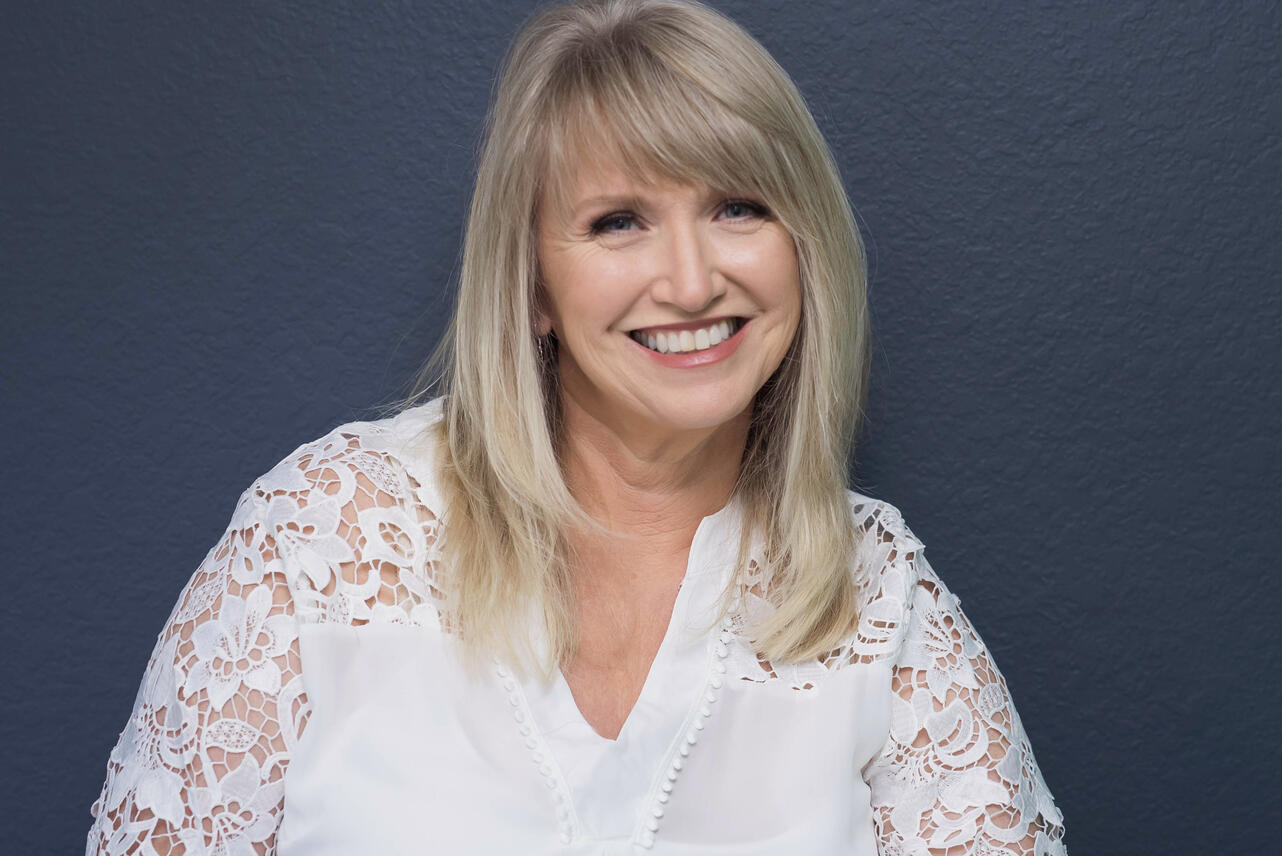
In 2004, a divorce forced Kim Korte to turn the same analytical lens she had spent years pointing at organizations inward, at herself. In the end, she didn't find feelings. She found a system. One that was running her decisions long before she was aware of them. That discovery changed the direction of everything she did next.Korte spent nearly 20 years working alongside C-suite leaders and inside the operational layers beneath them. Her work was implementation and optimization, implementing enterprise systems, developing workflows, and improving the processes organizations relied on to function. That experience became the raw material for Moment Zero.She began investigating her own internal workflow, why she felt the way she did, and how those feelings were shaping the decisions she made. Her first book, The Perfect Heart: Creating & Maintaining Love/Life Balance (2011), was a toe-in-the-water, personal observations about how people manage the connections closest to them. Her second, Yucky Yummy Savory Sweet: Understanding the Flavors of Emotions (2024), took a deeper dive into neuroscience and into the argument that everyone deserves to understand how their brain actually works. Emotions are not reactions but predictions, the brain's best guess, constructed from perception and prior experience. By the time she finished that argument, she had the framework for Moment Zero.In January 2026, Korte founded Moment Zero with a premise most people never stop to examine: by the time you're consciously deliberating, the decision has usually already formed. The brain predicts, filters, and constructs its best guess automatically, efficiently, and largely beneath awareness. That isn't a flaw to correct. It's a mechanism to understand. People who understand it get to stand behind their decisions, even the guesses. People who don't are running on an unexamined variable at the center of everything they do.Her forthcoming book, Moment Zero: How Decisions Take Shape Before Choice Begins, is grounded in constructed emotion theory and predictive processing, drawing on the work of neuroscientists Lisa Feldman Barrett, Antonio Damasio, Anil Seth, and others in the field. It is not a self-help book. It's for anyone who wants to understand how their judgment actually works, not how they assume it does, and who wants to trust it even when they can't be certain.Korte offers a cohort track for people ready to build this skill together, and 1:1 work for anyone who wants more awareness, trust, and confidence in the moment a decision is actually forming. She also works with organizations through keynotes and Decision System sessions.She is based in Northern California.